Author Archives: Helen Rogers

Sowing the seeds

As well as growing lots of fruit and vegetables in our garden we try and provide plenty of forage for bees and other pollinators. Last year we collected quite a lot of seeds from our garden and we’ve just started to take stock of what we have ready for sowing.

One of the the bees favourite flowers that we had last year were marigolds. They are also one of my favourites too – they are such bright, happy colours and they keep on flowering for ages as long as you keep up with the dead heading. I’m planning to sow lots of them!
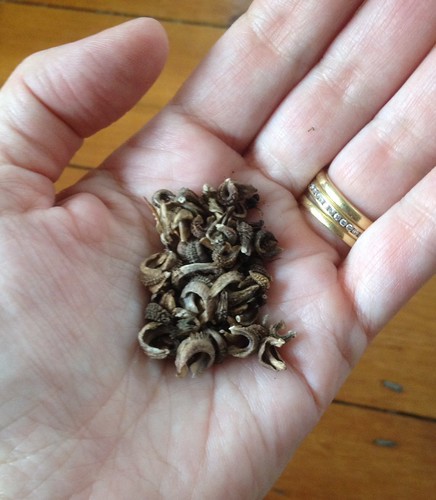
Bees can only make use of the simple single or pot marigolds – they cannot reach the nectar of  the more fancy double kind, so keep that in mind when buying seeds.

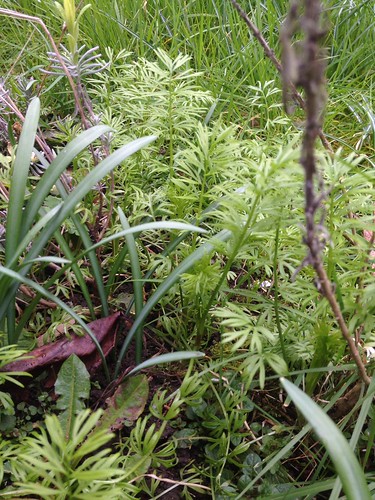
Last autumn my children loved collecting the seeds heads from the Love-in-the-mist plants and sprinkling them all over the place like pepper pots. This week they were excited to see that some feathery little plants are already growing – our front garden should have an interesting mix of lavender and love-in-the mist later this year!


Front garden flowers

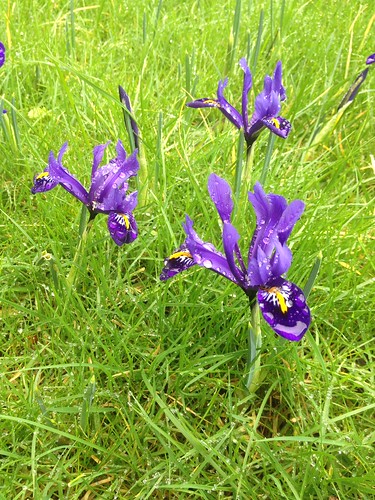
Back in October I wrote about planting lots of bulbs in our front lawn. It is a shady north facing patch – when we moved here a few years ago there was absolutely no spring colour at all and I was determined to change that! Over the past few years I’ve added all different types of things and I pleased to report that they are starting to flower now! Take a look:

These miniature Irises were some of the bulbs that I planted last autumn

Untitled photo

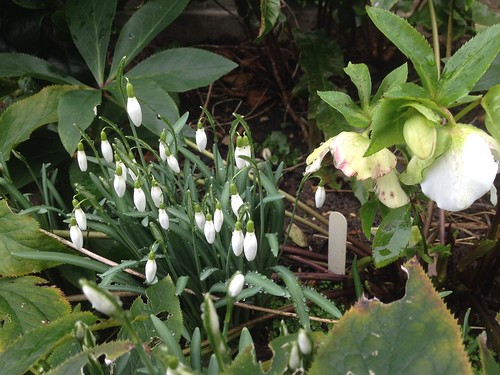
The snowdrops were planted “in the green” a couple of years ago and are bulking up nicely. The Hellebore was a gift from my mother.

Untitled photo

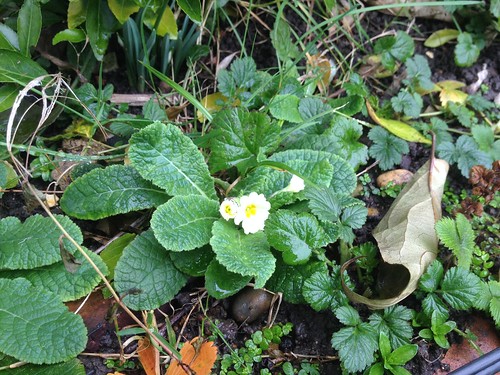
We have lots of primroses in our back garden, I often see the bees visiting them. They do self seed into the lawn, so I’ve moved the seedlings round to the front of the house – they seem happy in their new position, I hope that they spread around too.

Untitled photo

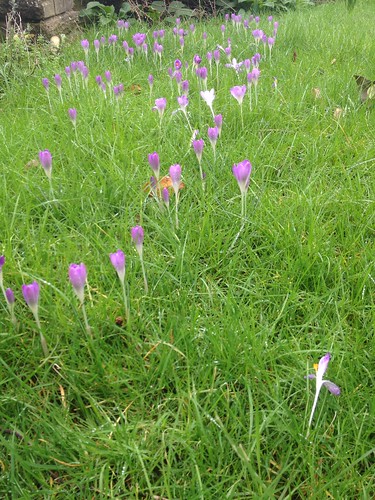
I planted these crocus two years agao – it is lovely to see them again this year. The ones that I planted last autumn are only just showing a little colour, so my season should last for at least a month. These are a particular favourite of bees – I was very excited to see my first queen bumble bee of the year visiting them the other day.

Untitled photo

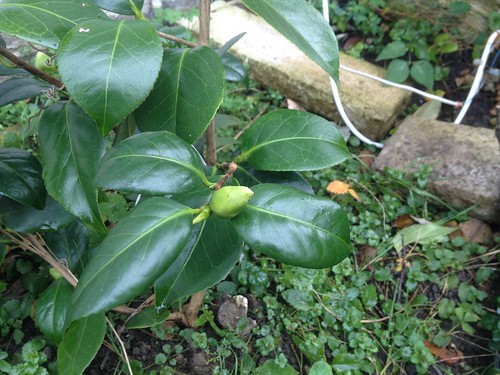
Our Camellias have plently of buds on them this year, but I think it’ll be a while before they open as they are in such a shaded spot – I have seen plenty out already around this area.

Untitled photo

It is only February, yet things are starting to move in the garden. The bees are out in force whenever the sun shines and warms the air a little – roll on spring!

Getting ready for Winter

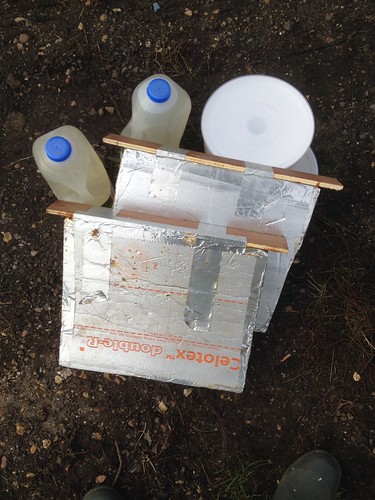
Yesterday I went up to visit our Hendon hives. I took some sugar syrup in case their stores needed topping up. I also took some insulated dummy boards to put into the brood boxes if there were any empty frames. This makes keeping the hive warm a little easier for the bees as they don’t need to heat space that isn’t being used.

Untitled photo

I needn’t have bothered though – both hives are still very full and very busy. There is plenty of honey packed into the combs and even some brood. The hives both smelt strongly of ivy nectar, so I can guess that most of the honey has been made from that. I’m really pleased that they didn’t need any molly-coddling, with luck they will come through the winter.

Promise of Spring

Over the weekend I made the most of the fine weather and planted the spring bulbs that I’d bought. I find this time of the year a bit gloomy – with the clocks changing soon and the thought of those dull grey days… I like to think on to the spring. Last year I planted lots of crocus bulbs in our front lawn and in the spring they were so lovely (and really appreciated by the bees). This year I’m planting even more and some miniature irises and daffodils. With luck we will have a good display early next year.

Untitled photo

Untitled photo


It took me about 40 minutes to plant 300 bulbs – a relatively quick job for several weeks of spring colour – definitely worth my while I think!

Michaelmas Day

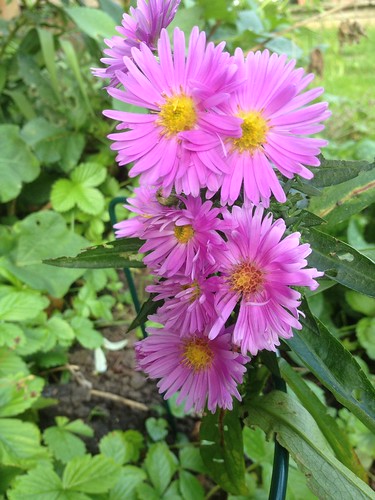
Today is Michaelmas day and I’m happy to report that there are plenty of Michaelmas daisies out around all of our hives! Our home bees have been bringing in bright orange pollen from these flowers.

Untitled photo

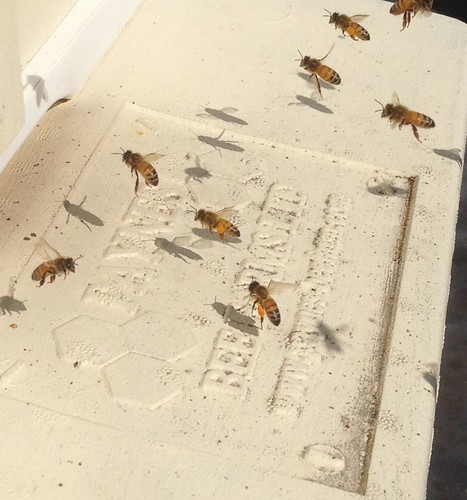
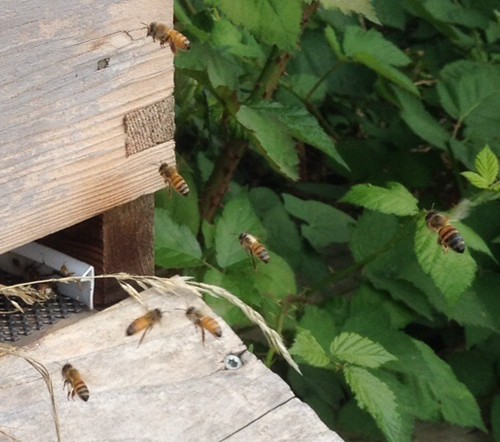
I went to have a look at our hives in Hendon today and the hive entrances were very busy – the bees are certainly making the most of the good weather we’ve been having.

Untitled photo

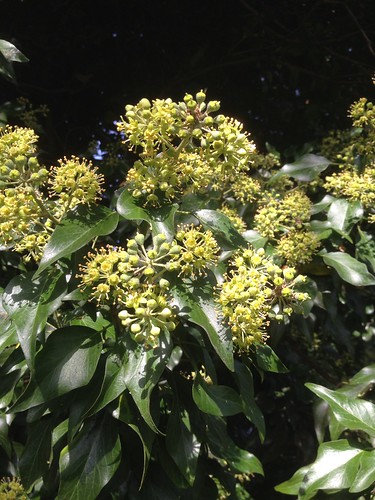
The hives there are surrounded by flowering ivy – the scent is almost overpowering and the plants are buzzing with insects – ivy is such a vital source of nectar for so many insects at this time of the year.

Untitled photo

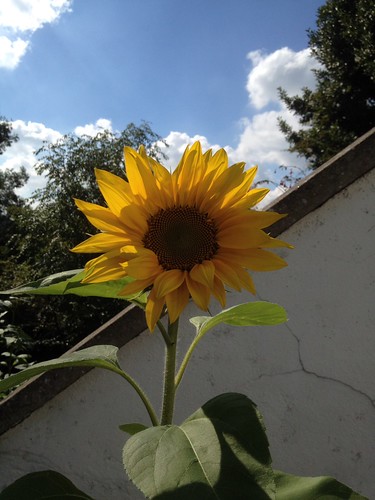
Finally, here is a sunflower that has self seeded itself in our garden. I’m particularly amused by this because I tried to grow a whole line of them earlier in the year in a completely different area, but they all got munched by snails. Anyway, it has been visited by loads of bees – particularly bumbles. Next year I’ll try again with my row…

Untitled photo

Taking the last honey in Highgate

The ivy is about to flower around here – which for me means I need to hurry and take off any honey that we’d like from the hives. We have lots of ivy around here and it normally provides enough nectar for my bees to have enough stores to get through the winter.

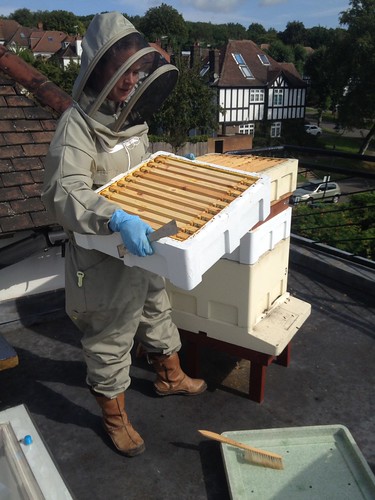
Taking off a super

The hives we use are made up of a series of boxes stacked up on each other. The bottom box is the deepest and is called the brood box – where the queen lays her eggs to raise more bees. The boxes above are called supers and this is where the bees store the honey. Over the summer we add more supers as they are needed and remove them once they are full. I know without looking when they are full because I can barely lift them.

Bee watching in N6

I really enjoy standing near our hives and watching what is going on at the hive entrances. It is a good way to get an idea about the fortunes of a colony. I have noticed lots of wasps around over the last couple of weeks and I was pleased to see that the bees were quick to dispatch a couple that were trying their luck to try and get into a hive. I’m relieved that we made the decision to combine some colonies earlier in the season, which means that the colonies that we have now are large and can easily defend themselves.

I also noticed that many of the bees were arriving with lots of bright orange pollen – they carry it in pollen baskets on their back legs – I believe that they are collecting it from Asters. I must replace the plants that died in our garden as it is obviously a favourite at the moment.

Orange pollen

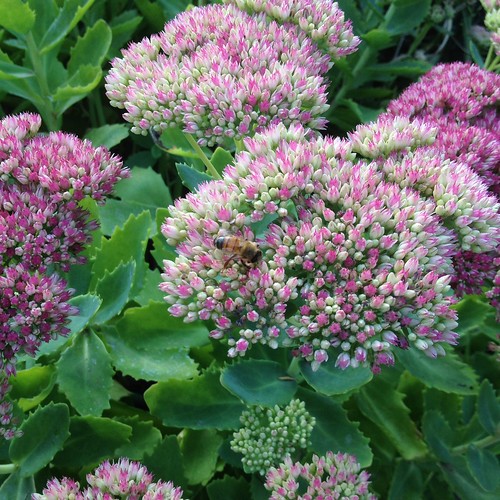
There are plenty of sedum plants in our neighbourhood – another late summer bee favourite. You can see in the picture below that the bees are willing them to flower more quickly!

Bees on sedum

North London Honey harvest and late summer foraging

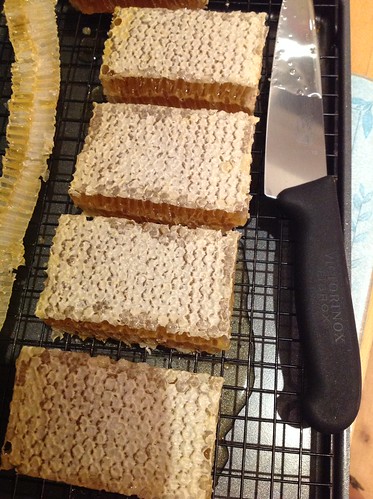
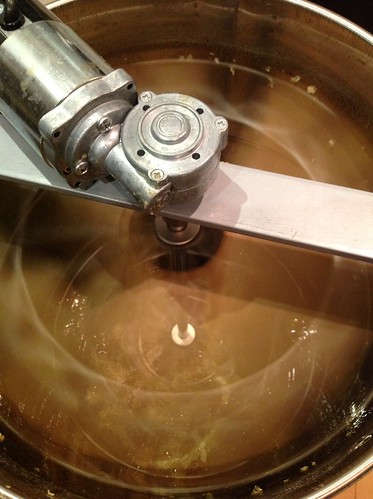
Another season of beekeeping is starting to wind down. Last night we were busy preparing cut comb and spinning out the last frames from our favourite hive – Hive 2. For some reason the bees in that hive make more honey than any of our others and they forage on different flowers, giving a more flavoursome honey. They are also sweet natured.

Preparing cut comb

Spinning honey

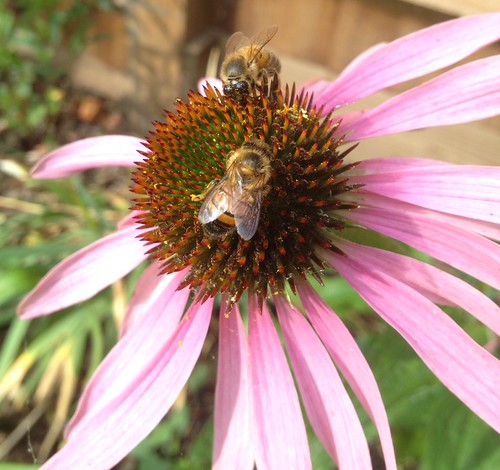
The bees have been busy in our garden – there aren’t so many nectar giving flowers at this time of the year, but they have managed to seek out these ones…

Honey bees on Echinacea
Echinacea

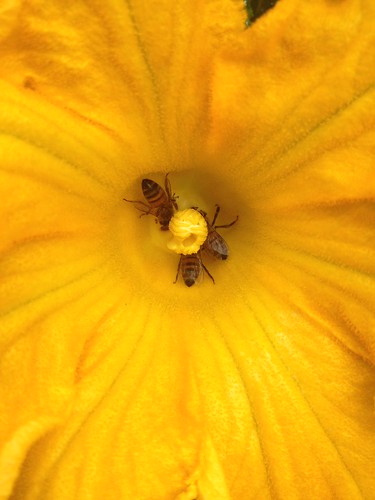
Honey bees on pumpkin flower
Pumpkin

Bargain Dahlias

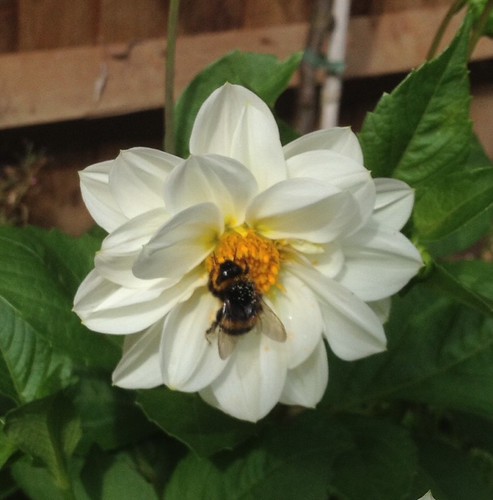
Everyone loves a bargain don’t they? I picked up some dahlia tubers earlier this year at our local 99p shop – I think that there were 5 or 6 in a bag. I’m so pleased that they have all thrived and turned out to be single dahlias in a variety of colours. The single type are real favorites of pollinators (they can’t get to the pollen or nectar in doubles) and they are being constantly visited by honey and bumble bees.

Untitled photo

July bee plants

This Callistemon shrub that we have in our garden has been flowering for over a month now and everyday it is crowded with bees. It is fun to watch them come out of the hive, and drop straight down from our roof on to the flowers. The children call it The Bottle Brush Tree…

The lavender in our neighbourhood has been really good this year, and there is plenty of it. We stopped to look at the bees on this bush today and spotted 5 different types of bee.

There has been sweet chestnut flowering too, which gives a very dark honey – it’ll be interesting to see if our bees found any to forage on.

Yesterday while I was inspecting our hives in Hendon, I noticed that some of the bees where coming back to the hive with a splash of white on their backs – a sign that they are foraging on Himalayan Balsam.