Category Archives: Blog

An experiment

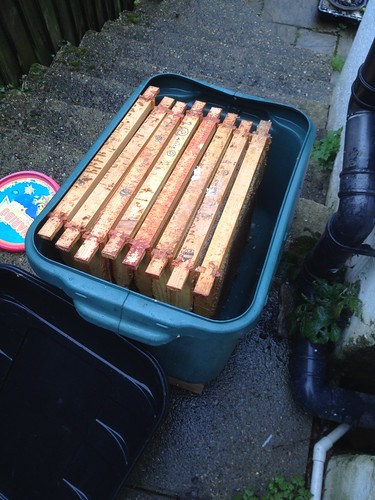
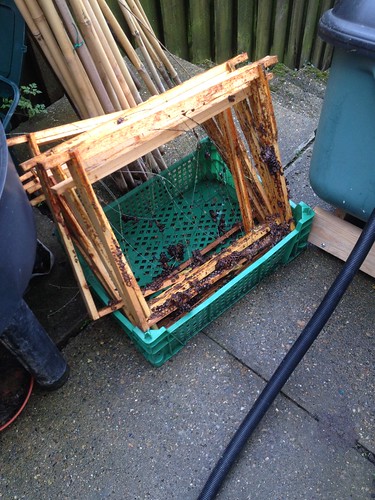
We’ve had some old frames lying about in the garage for a while. I have wanted to extract the wax out of them, but hadn’t done anything about it as I wasn’t sure of the best way to do it. Anyway, this morning we discovered that they fitted perfectly into and old recycling box – so we decided to experiment…

Untitled photo

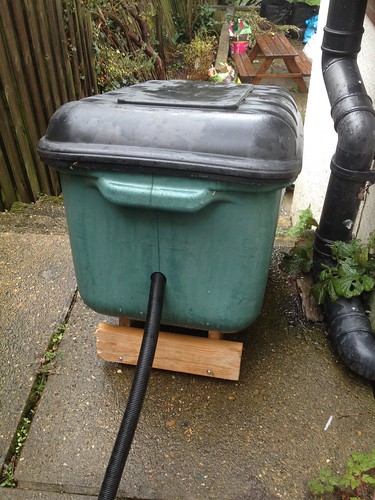
We made a little wooden frame to tilt the box and we cut a hole in the back to take the hose from a wallpaper stripper.

Untitled photo

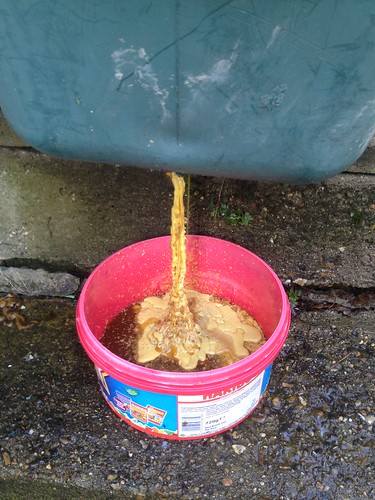
The steam melted the wax, and it gushed out of a hole at the front of the box.

Untitled photo

The wax will need filtering before we can make use of it, but I’m really happy with this simple set up. All made from things that we already had.

These are the frames after about half an hour…

Untitled photo

Getting ready

This time of the year makes me nervous. It is still too chilly to get a proper look inside our roof top hives, yet I know that soon it is possible that the colonies will have built up quickly and could be making preparations to swarm. It is also difficult to know if the colonies still have enough of their winter stores left if we have a sudden cold snap. I normally heft the hives to get an idea of the weight and to guess how much honey is left, but by now there should be brood in the hive which is heavy, so it is difficult to assess…

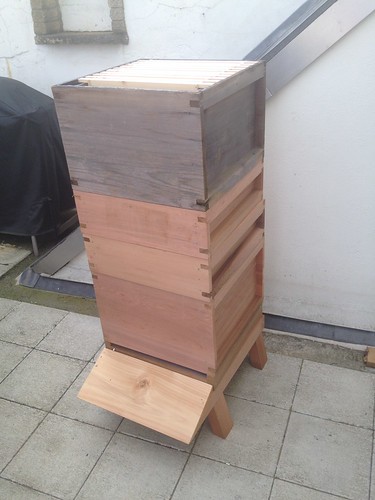
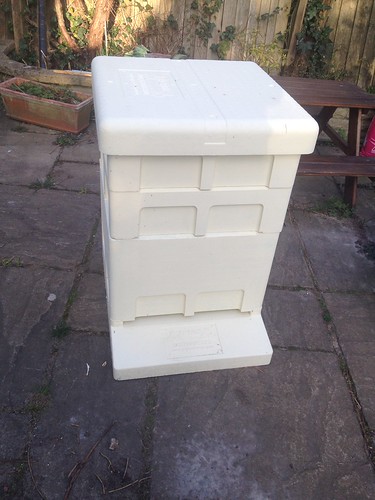
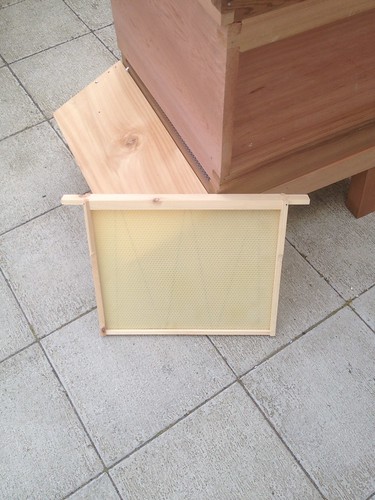
To keep my worries at bay I’ve been busy preparing our spare hives. Building up the cedar hive, painting the poly hive and building lots and lots of frames.

Untitled photo

Untitled photo

Untitled photo

This year I need to change the brood frames in a couple of our hives – it is recommended every few years to help reduce the chance of any disease build up. Each of the hives needs 11 new frames, and each frame needs 11 nails tapped into it. Plus I always like to have some spare frames made up in case they are suddenly needed to house a swarm or something.


Spring fodder

Every day more and more flowers are opening here, spring is well under way!

Here are some of the things that the bees have been enjoying in our garden.

Primroses

Untitled photo

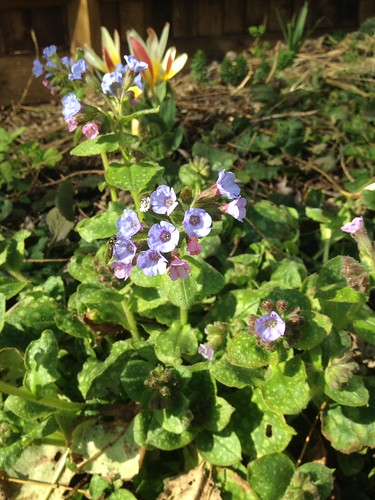
Pulmonaria

Untitled photo

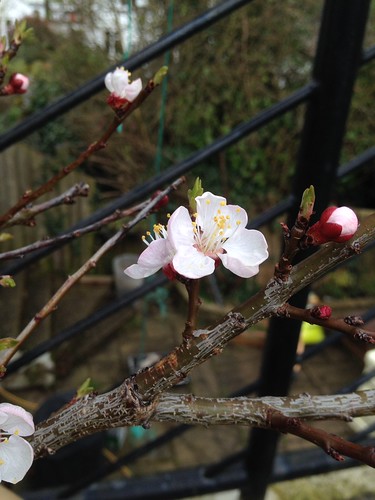
Apricot – I’m stupidly excited by the prospect of having our own apricots!

Untitled photo

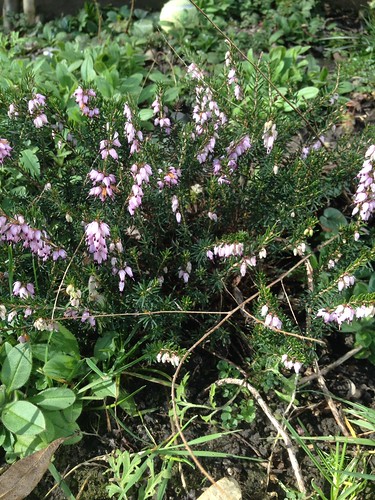
Heather

Untitled photo

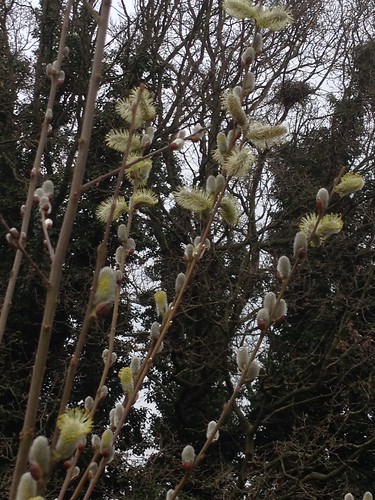
Willow – this was taken this morning, a few feet away from our hives in Hendon. Each tree has dozens of flowers, providing a huge source of pollen at this time of the year.

Untitled photo


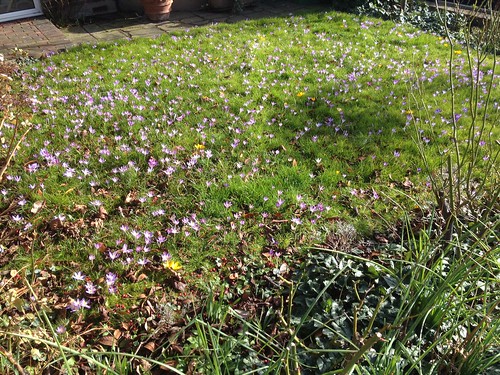
Our lawn in Highgate

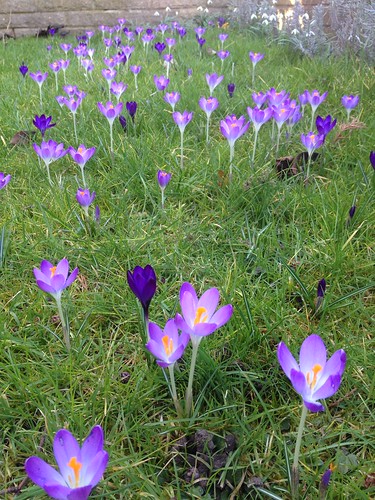
I’m so pleased with the crocus patch in our front lawn that we planted last year. A couple of weeks ago there was no sign of anything and I was busy blaming squirrels for making off with all the bulbs…

I think that we’ll need to add to it this autumn – I must remember to mark our exactly where these ones are, so we don’t plant over them. I read the other day that the lawn shouldn’t be mown for at least 40 days after the flowers have gone over to allow the bulbs time to bulk up for next year.

Untitled photo

Thirsty work

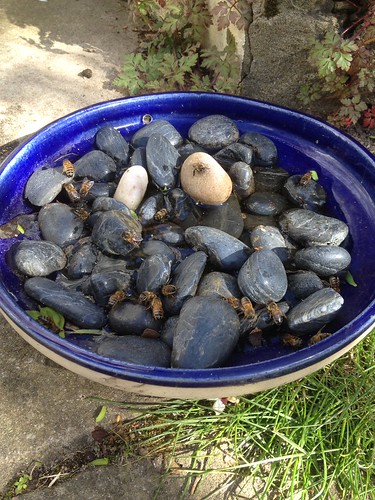
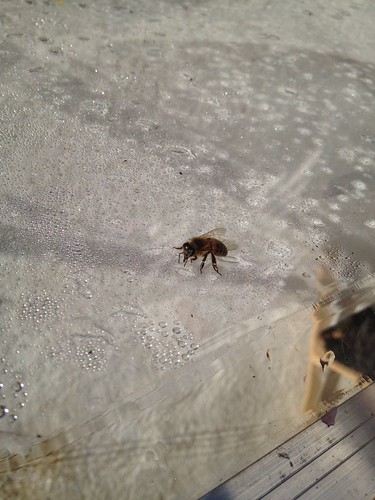
We had had some beautiful days here over the last week. It is so good to feel some warmth in the sun and be able to work in the garden without a coat again. The bees at home have been very active – there are lots of spring flowers out around us at the moment, it is wonderful to see them taking pollen into the hives. Pollen is an important food for developing bees, so seeing pollen being collected can be an indication that there is brood in the hive. As well as pollen they are very busy collecting water – they seem to love collecting it from damp moss and droplets on the roof of our little greenhouse. The colony needs water at this time of the year, the nurse bees need it to feed the growing bees and they also use it to dilute honey stores that have crystallised over the winter.

Untitled photo

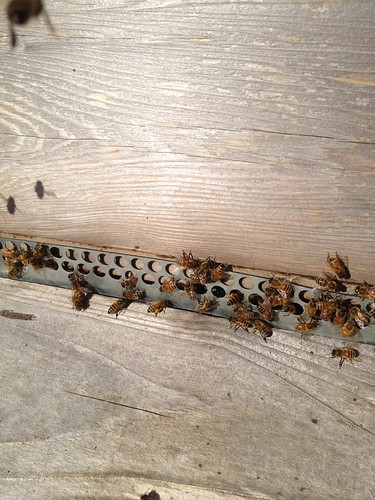
Here is a recent picture from one of the Hendon hives, if you look carefully you can see some bright orange pollen being taken into the hive.

Untitled photo

Another local feast for bees!

Untitled photo

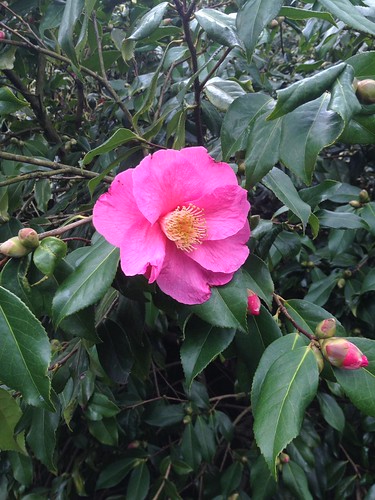
The camellias are just starting to flower in our area, although the ones we have on the north side of our house are still in tight bud.

Untitled photo


Break from February Blues

This week has felt long – sick children and cold weather. Today the sun came out! The bees are out flying and some are bringing pollen back to their hives. The garden is stirring and the early spring flowers are beginning to open.

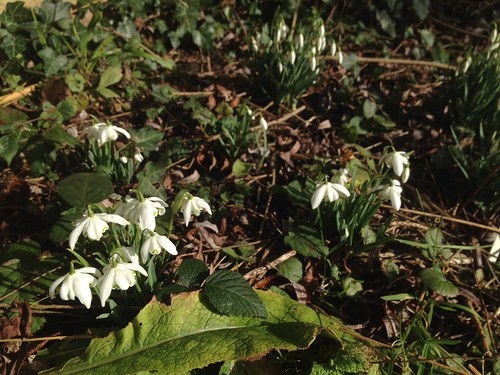
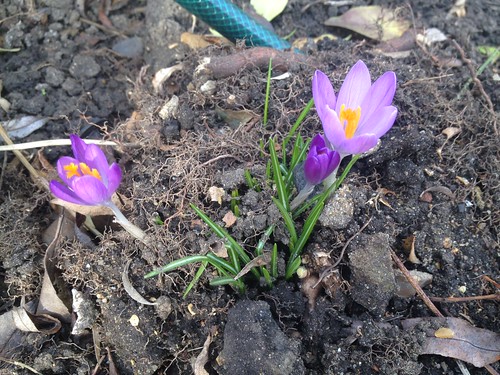
These are from our garden – it is so good to see results from the bulbs I have planted.

Untitled photo

Untitled photo

Untitled photo

Untitled photo

One of our neighbours has this spectacular display on their lawn – a real pollen feast for bees!

Untitled photo


Snow and marmalade

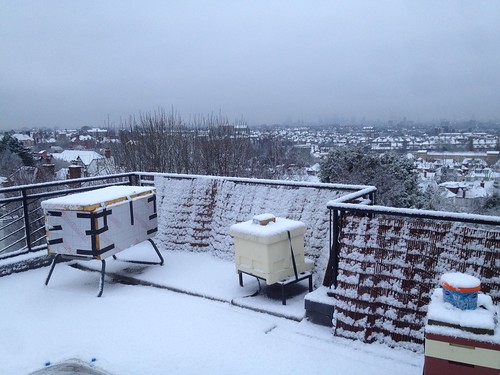
Yesterday morning we woke up to find snow covering our world! The hives on our roof looked so chilly, although the snow acts as an extra layer of insulation.

Untitled photo

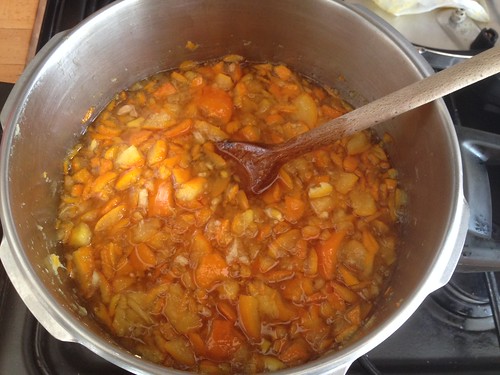
M and I were stuck inside as he is suffering from a nasty cold, so we decided to make some marmalade. This year I substituted some of the sugar with our honey – it has made the marmalade have a deeper more flavoursome taste – delicious on my toast this morning!

Untitled photo

Untitled photo


Winter forage in N6

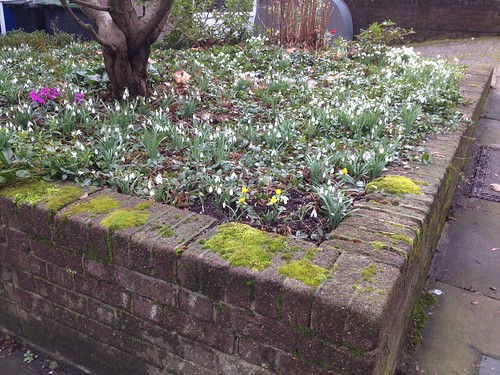
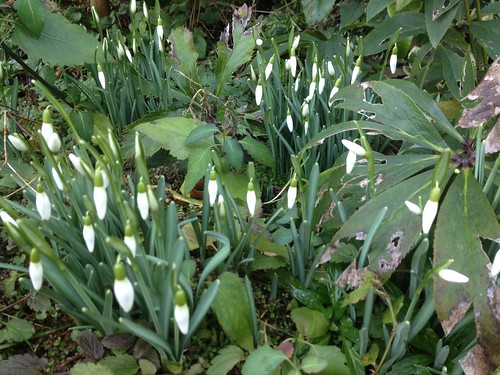
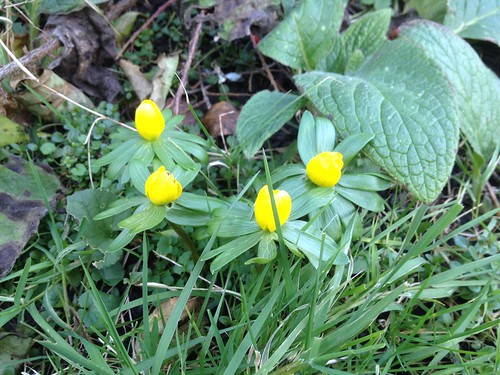
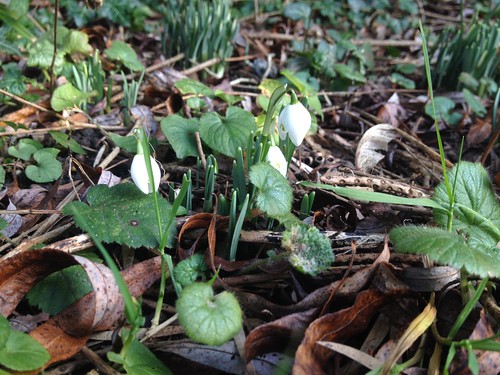
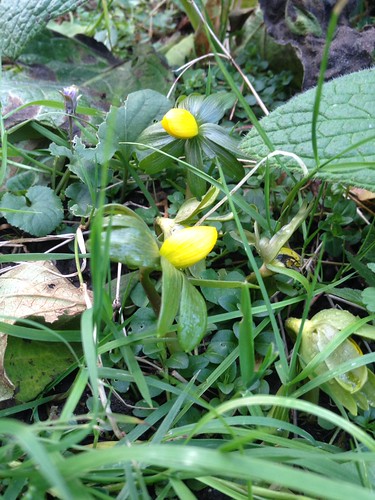
The last few weeks have been cold here, freezing overnight. I haven’t seen the bees flying recently – it is too chilly for them! The garden is stirring though. The Winter Aconites and Snowdrops have just started to flower. I planted them both a couple of years ago and it is lovely to see them doing well. Flowers like these provide bees with vital food on warmer winter days. The queen in each hive will hopefully be starting to lay eggs again soon after a winter break. The brood requires pollen to develop, so having these winter flowers around is important for their survival.

Untitled photo
Untitled photo

New Year

This morning was mild and the sun even came out! I spotted one of our kittens chasing a bee outside, so I went to have a look at our hives. It was fantastic to see bees busily zipping in and out of the hive – I haven’t seen them flying for several weeks because it has been too cold – We have to leave them in peace and not disturb the cluster that they form to keep warm, so it is always a relief to see them out and about again.

Untitled photo